October 09, 2026


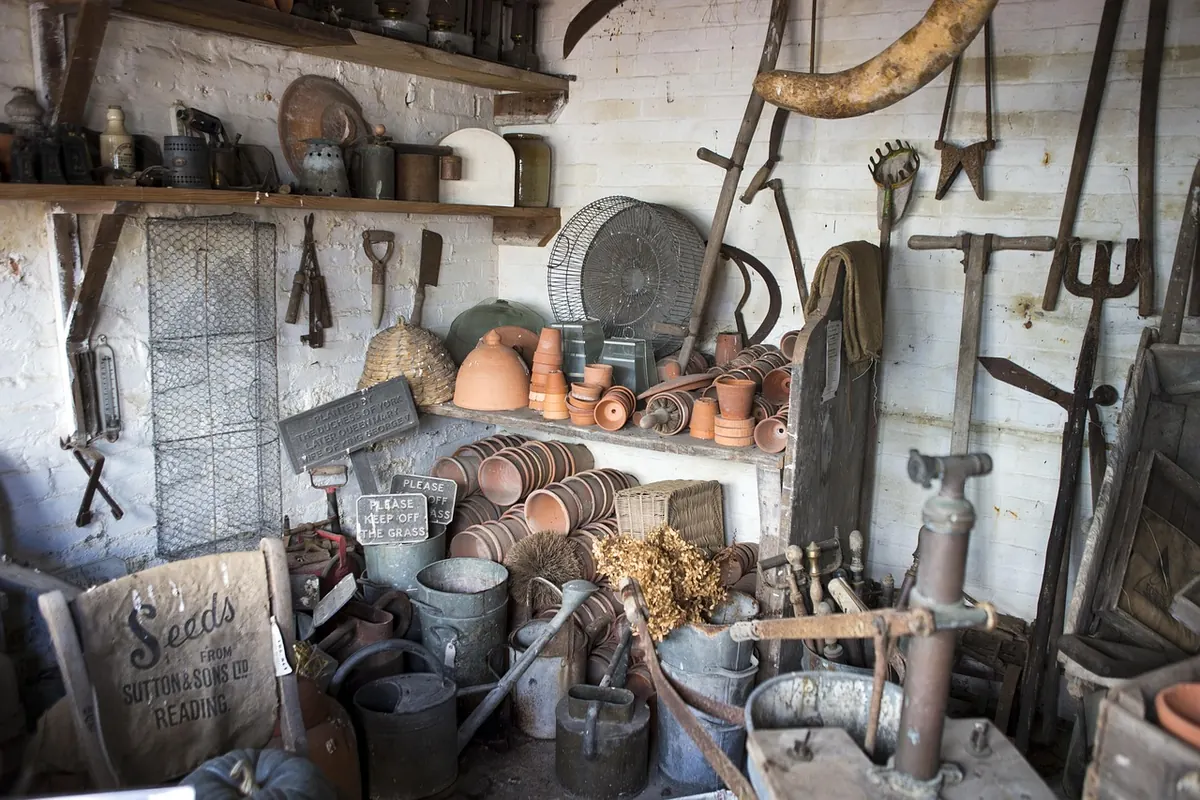
A garden shed makes a better forge than most people expect. You do not need a barn, a farm or an outbuilding — a tidy 2.4m by 3m shed is enough room to make hooks, pokers, bottle openers, fire tools and, eventually, your own tongs. What matters is getting four things right before you buy anything shiny: the layout, the ventilation, the fuel, and the fire safety. Sort those and a small shed becomes a genuinely good place to work. Rush them and you will spend your first month fighting smoke, heat and a floor you would rather not set alight.
Think of the shed as three stations and one clear route. The forge provides the heat, the anvil is where you shape it, and a bench or vice is where you cut, brush and finish. Arrange them so you can move between all three in a couple of steps, with the anvil no more than an arm's length or two from the forge. Carrying hot steel across a cluttered shed is how beginners drop things.
Keep one unobstructed path to the door and never stack fuel or stock in it. In a small shed, the forge usually works best on the wall opposite the door, so sparks and scale travel away from your exit rather than across it.
Heights matter more than most beginners expect. Set the anvil so its face sits at roughly knuckle height when you stand relaxed beside it. Set the forge so you can look down into the fire without stooping; waist height suits most people. Both can be adjusted later with blocks or a shorter stand, so do not overthink the first version.
Floors and walls next. Concrete, paving or stone is ideal. Bare timber boards directly under a forge are not. Line the wall behind and beside the forge with a non-combustible board, and leave a decent gap between the forge and the wall — half a metre or more where you can manage it.
A forge fire produces smoke, fine dust and carbon monoxide, and a shed with one small window is a trap. The principle is simple: let air in low, let it out high.
Open the door or fit a low vent to bring air in, and give the smoke somewhere to go at the top — a hood and flue above the forge, or at minimum a high vent at the opposite end of the shed. If you fit a hood, size it to catch the smoke rather than to look neat. A hood that is too small simply stirs the smoke around your head.
Fit a carbon monoxide alarm and test it. CO has no colour and no smell, and it is the one by-product of a solid-fuel or gas forge that can kill you quietly. Keep it out of the direct smoke path and replace it as the manufacturer advises.
Resist the urge to point a fan straight into the fire from the side. It scatters ash and heat through the shed. If you need more air movement, an extractor mounted high and pulling air away works far better than a fan pushing it around.
If you are installing a gas forge, have the regulator, hose, bottle and connections checked by a competent gas engineer, and follow their advice along with the manufacturer's instructions. LPG is heavier than air, so leaks gather at floor level rather than rising. This is one area where proper professional advice is worth every penny.
Most small UK forges run on one of three fuels, and each has a personality:
Whatever you burn, check whether you are in a smoke control area. Councils can tell you, and there are restrictions on burning unauthorised solid fuels in some urban areas. A quick phone call before you buy a sack of coal saves a lot of awkwardness later. Store fuel dry, in a metal bin, well away from the forge.
Sheds burn. Yours has timber walls, a timber roof and probably a tin of paint in the corner. Treat the whole structure as something the fire would like to eat.
Hot steel in a dim shed looks exactly like cold steel. Assume everything on the anvil is hot until you have checked it with your hand held close, or touched it with a wet finger at a safe distance.
Hammering on an anvil is louder than you think once it is inside a wooden box. Set the anvil on a stand with a dampening base, and take the ring out of it by dropping a strong magnet on the waist or wrapping a chain around it.
Keep to considerate hours — mid-morning to early evening on weekdays, and check with anyone sharing a wall or a fence before you start. Smoke is the other complaint: light your fire with kindling and build it up gradually rather than smothering it, and never let it sit there smoking sullenly for an hour.
If you rent, check your tenancy or lease. If you own, tell your home insurer that you are running a workshop with a fire in a shed, because a standard policy may not cover it. Take proper advice rather than assuming.
Do the first burn on a dry, still day, with the door open and nothing else planned. Light a small fire, watch where the smoke goes, and adjust your vents rather than your temper. Once it holds heat, make one small thing — a hook, a poker, a set of tent pegs — before you attempt a knife or a pair of tongs.
Blacksmithing in a shed is mostly about paying attention: to the colour of the steel, the sound of the fire, the draught at the door and the space under your feet. Get those habits early and the shed will keep you making things for years.
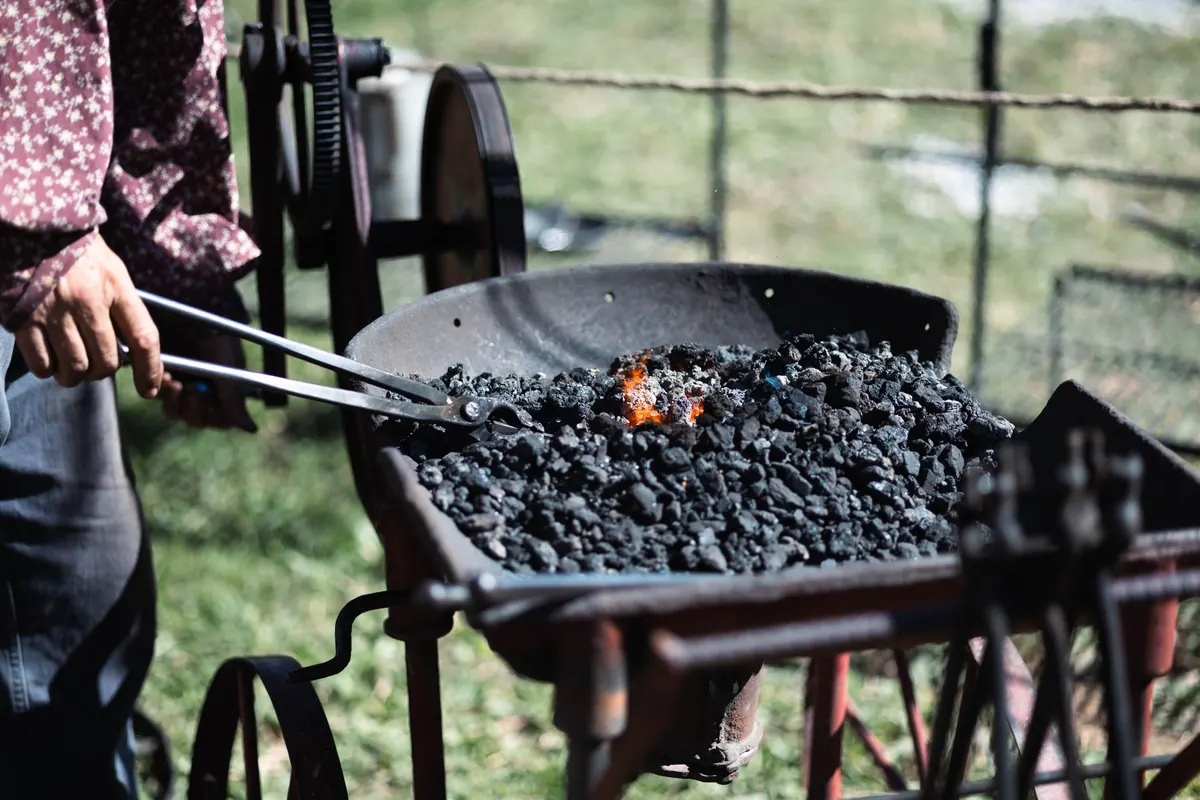
Photo: RonPorter / Pixabay
The magazine for blacksmiths and metalworkers.
Copyright © 2026 Forge Mag. All rights reserved. Forge Mag.